Regional Name Differences in Turkey
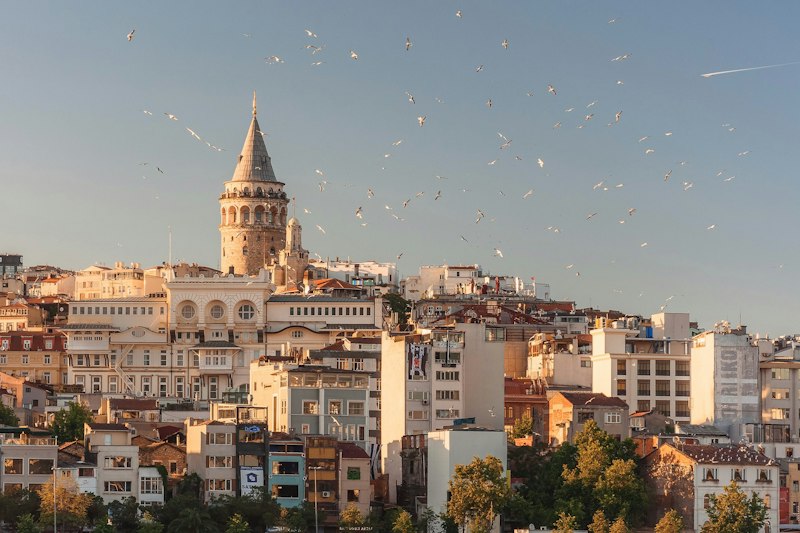
Turkey's geographic and cultural diversity creates distinct regional naming patterns that reflect local history, ethnic composition, and religious traditions. From Kurdish-influenced names in the southeast to European-influenced names in Istanbul, understanding regional variation reveals much about Turkey's complex identity.
Western Turkey, particularly Istanbul and Izmir, shows strong European influence on naming. People in these cosmopolitan cities often choose names that work across languages, reflecting the international orientation of business and social communities. Names like Demir, Ela, and Boran that have Turkish roots but international appeal are particularly popular.
The southeastern region, with its significant Kurdish population, shows different naming patterns. Kurdish names like Ron, Berfin, and Rojbin exist alongside Turkish and Arabic names. Kurdish families often balance Kurdish cultural identity with integration into Turkish society through naming choices.
The Black Sea coastal region has its own distinctive naming traditions, influenced by the area's history of Greek and Laz communities. Names like Vasil, Hristo, and Eleni appeared in historical records, though many families have since adopted Turkish names. The region's distinctive culture continues to influence naming in subtle ways.
Central Anatolia shows conservative naming patterns that emphasize Islamic religious names. Cities like Konya and Kayseri have populations that more frequently choose names directly from Arabic religious tradition. Names like Muhammed, Abdurrahman, and Ayse reflect the religious character of these historically important Islamic centers.
Aegean coastal cities like Izmir and Bodrum show Mediterranean influence on naming. The tourism industry has created international communities where Turkish and foreign naming conventions blend. Foreign residents often adopt Turkish names for ease of communication while maintaining original names for official purposes.
Kurdish-majority areas in eastern and southeastern Turkey have seen political conflict over naming rights. The use of Kurdish names has been both restricted and permitted at different periods in Turkish history. Today, Kurdish naming is more accepted, though names must still be recorded in Turkish letters.
Armenian and Greek minorities in Turkey maintain their own naming traditions that differ from mainstream Turkish patterns. These communities use religious names specific to Christian tradition, often from Greek or Armenian religious calendars. Their names appear in church records and community documents alongside Turkish civil registrations.
Religious minorities including Alevis and Sufi communities have distinctive naming patterns related to their spiritual traditions. Names of saints and religious figures appear in these communities alongside more common Turkish names. Understanding these variations shows how Turkey's religious diversity expresses itself through naming.