Traditional Turkish Family Structures
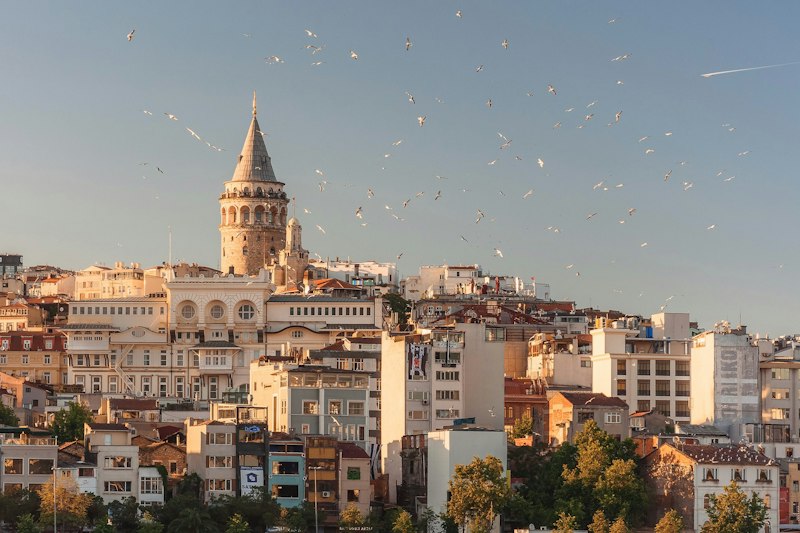
Turkish family structures have evolved dramatically from the extended patriarchal families of the Ottoman era to today's predominantly nuclear family model. Understanding these structures helps explain how naming traditions developed and why certain patterns persist in Turkish society. Family honor and lineage remain central to Turkish identity.
The traditional Turkish family in rural Anatolia was extended and patriarchal, with the eldest male holding authority over all family members. Multiple generations lived together, often in compounds where sons built additional houses for their wives. This structure meant that many family members shared names, creating the need for distinguishing characteristics in daily use.
Surnames helped solve the problem of identifying individuals within large families after the 1934 law. Previously, people were identified by their given name plus their father's name, creating long chains like "Ahmet oglan Mehmet" meaning "Ahmet son of Mehmet." This system persisted in daily use alongside official surnames for generations.
Urbanization transformed Turkish families throughout the twentieth century. As people moved from villages to cities, nuclear families replaced extended families as the norm. Young couples often moved to cities where neither had family connections, establishing new patterns of residence and family organization that continue today.
Female lineage has become more recognized in modern Turkish families, particularly as women's education and employment have increased. Daughters can pass their surnames to children in some circumstances, though patrilineal naming remains the norm. This shift reflects broader social changes in Turkish gender relations.
Divorce rates have risen in Turkey as education levels and economic independence have increased. Remarriage creates blended families that complicate traditional naming patterns. Step-parents, half-siblings, and adopted children all require careful consideration in how they are named and integrated into family structures.
Regional variations in family structure persist despite urbanization. Southeastern Turkey maintains more traditional extended family patterns than western coastal regions. These differences affect naming practices, with traditional areas more likely to follow strict gender-based naming and religious references.
Migration patterns have created Turkish diaspora families across Europe, America, and Australia. These families often maintain Turkish naming patterns while adapting to local contexts. Second and third generation Turkish diaspora may have different naming approaches than those living in Turkey.
Understanding Turkish family structures helps explain the significance of names in Turkish social life. Names carry information about family origin, religious tradition, and social position. When meeting new people in Turkey, asking about family origin often precedes learning someone's name.