Living in Ankara: Capital City Guide
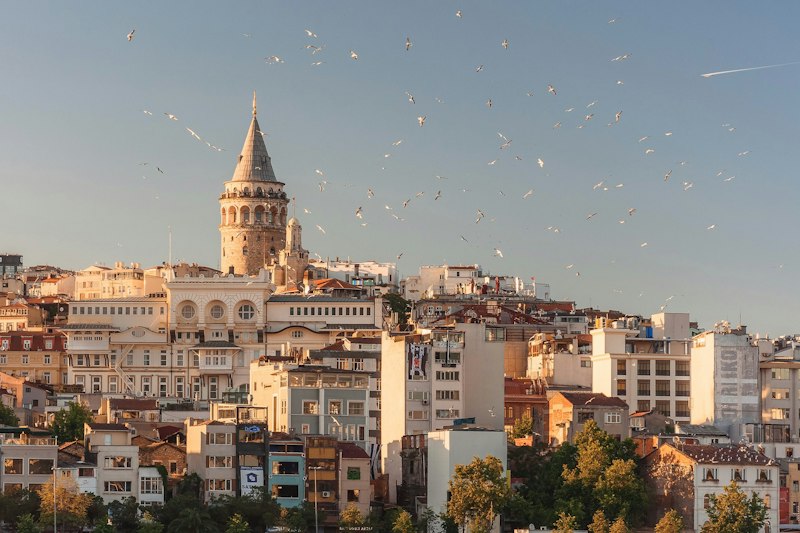
Ankara, Turkey's capital, offers a different experience from Istanbul's commercial chaos. As the seat of government and center of bureaucracy, Ankara attracts those drawn to political careers, diplomatic service, and academic pursuits. Living in Ankara means participating in the nation's decision-making while enjoying a more manageable urban environment.
The old city of Ankara centers on the Citadel, Anitkabir, where Ataturk's mausoleum honors the Republic's founder. This neighborhood blends historical significance with government offices and residential areas. Kizilay serves as the modern city center, with shopping, restaurants, and the main commercial district. Cankaya near the parliament building houses many government ministries.
Ankara's population includes large numbers of government employees, diplomats, military officers, and their families. This demographic creates a relatively formal social environment compared to Istanbul's commercial informality. Professional networks often center on government service, creating social circles based on career rather than neighborhood or school.
Universities define much of Ankara's character, with Bilkent, Middle East Technical University, and Hacettepe ranking among Turkey's best. University districts like Cankaya have vibrant student populations, excellent libraries, and cultural venues. University employment brings intellectuals and academics who contribute to Ankara's political and cultural discussions.
Real estate in Ankara is more affordable than Istanbul, with quality apartments available at reasonable prices in most neighborhoods. Areas like Cankaya, Gaziosmanpasa, and Esertepe offer excellent residential options. New developments continue to expand the city's boundaries, providing modern housing in previously peripheral areas.
Transportation in Ankara centers on the metro system, which connects most residential areas to the city center efficiently. Unlike Istanbul's chaotic traffic, Ankara's urban planning creates more direct routes between areas. The Ankaray and metro lines reduce reliance on cars for most daily commutes.
Cultural life in Ankara reflects its role as the political capital. The parliament building, government ministries, and foreign embassies create a cosmopolitan atmosphere. Cultural events often involve political themes, reflecting national debates that play out in the capital more directly than in other cities. Theater, cinema, and music scenes thrive alongside political discourse.
Historical sites in Ankara include the Roman Temple of Augustus, the Byzantine Citadel, and Hittite remains that predate the city. These archaeological treasures remind residents that Ankara has been important since ancient times, when it was known as Ancyra and served as a Roman provincial capital. This ancient heritage enriches daily life in the modern capital.