Turkish Address Format Explained
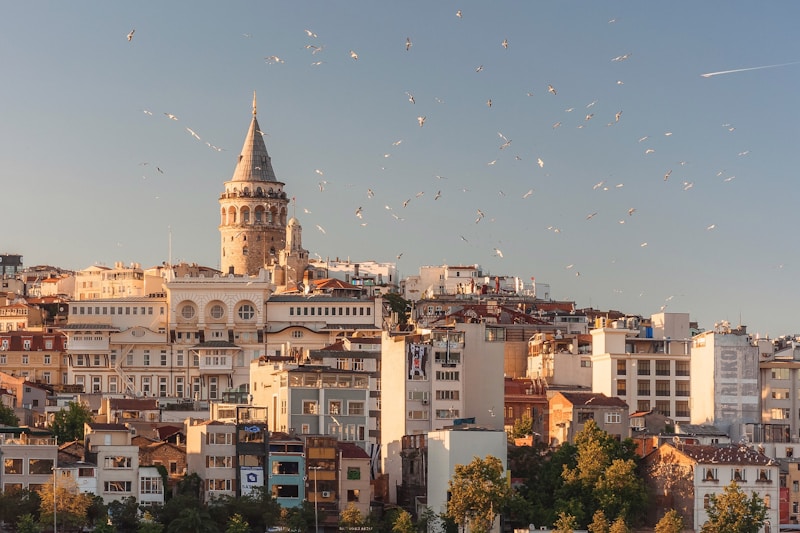
Understanding Turkish address format is essential for anyone sending mail, conducting business, or navigating Turkey's complex urban landscape. Turkish addresses follow a specific structure that differs from Western conventions.
Standard Turkish Address Format
A complete Turkish address follows this order:
Recipient Name
Building Name/Number
Apartment Number (Daire)
Street Name (Cadde/Sokak)
Neighborhood/Borough (Mahalle)
District (Ilçe)
City (Il)
Postal Code
Key Turkish Address Terms
Understanding these terms is crucial:
Cadde - Avenue or main road
Sokak - Street
Mahalle - Neighborhood/district
Ilçe - Sub-province/district
Il - Province/city
Daire - Apartment/flat number
Kat - Floor number
No - Number
Postal Codes
Turkish postal codes consist of five digits. The first two digits indicate the province, the next two the district, and the final digit the specific post office area. Istanbul uses codes starting with 34, Ankara with 06, and Izmir with 35.
For example, a code like 34000 indicates Istanbul province, with more specific codes for individual neighborhoods.
Common Street Names
Turkish streets often honor national heroes, historical figures, or carry names reflecting Turkish values. Atatürk Caddesi (Atatürk Avenue) is found in nearly every Turkish city, honoring the nation's founder.
Other common names include İnönü Caddesi (after President İsmet İnönü), Cumhuriyet Caddesi (Republic Avenue), and Bağdat Caddesi (Baghdad Avenue, especially in Istanbul).
Navigating Turkish Addresses
When asking for directions in Turkey, locals often provide landmarks rather than street numbers. Phrases like "near the mosque" (cami yanı) or "across from the park" (parkın karşısında) are common. Combining these landmarks with street names helps navigate effectively.
Whether you are receiving a package in Istanbul or sending a letter to Ankara, understanding Turkish address format ensures your correspondence reaches its destination.