Ottoman Influences on Turkish Names
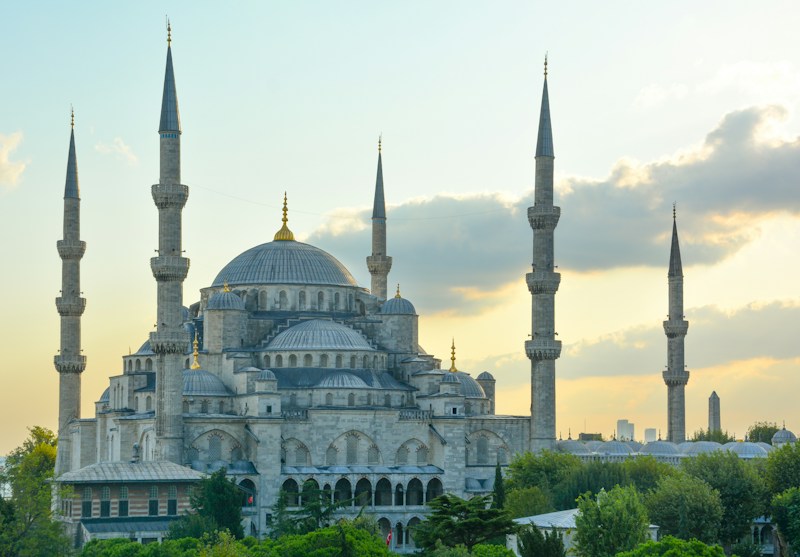
The Ottoman Empire, which ruled for over 600 years, left an indelible mark on Turkish culture, including naming conventions. Understanding Ottoman influences helps explain many aspects of modern Turkish names.
The Timeless System
Ottoman naming typically included a personal name followed by the father's name (ota bin/bint - son/daughter of). This system created long chains of identification that sometimes included professional titles or nicknames.
For example, someone might be known as "Mehmet, son of Ahmet, the tailor" (Mehmet bin Ahmet Terzi). This descriptive naming helped distinguish individuals in a society where given names were fewer than modern times.
Palace and Military Titles
High-ranking Ottoman officials often received elaborate titles that eventually became surnames. Names like Çelebi (gentleman/scholar) and Bey (chieftain/lord) were titles that evolved into hereditary family names.
Military ranks and positions influenced naming as well, with families sometimes keeping titles like "Seyyid" (descendant of Prophet Muhammad) as part of their identity.
Religious Integration
The Ottoman conversion to Islam brought Arabic naming traditions into Turkish culture. Islamic names became mandatory for official records, and religious scholars (ulema) influenced naming through fatwas and recommendations.
Names of Ottoman sultans, like Süleyman (Solomon) and Selim, became popular among commoners seeking to honor the rulers or aspire to their qualities.
Modern Transformation
When the Ottoman Empire fell and the Republic of Turkey was established, Atatürk's surname law of 1934 dramatically changed naming practices. Ottoman-era titles and long chains of identification were replaced with simple family names.
Yet the Ottoman legacy persists. Many Turkish surnames can trace their origins to Ottoman titles, professions, or place names. The preference for meaningful, significant names reflects the Ottoman appreciation for symbolism and heritage.
From the grandeur of imperial titles to the simplicity of modern surnames, Ottoman influences remain embedded in how Turks identify themselves and their families.