Most Beautiful Turkish Place Names
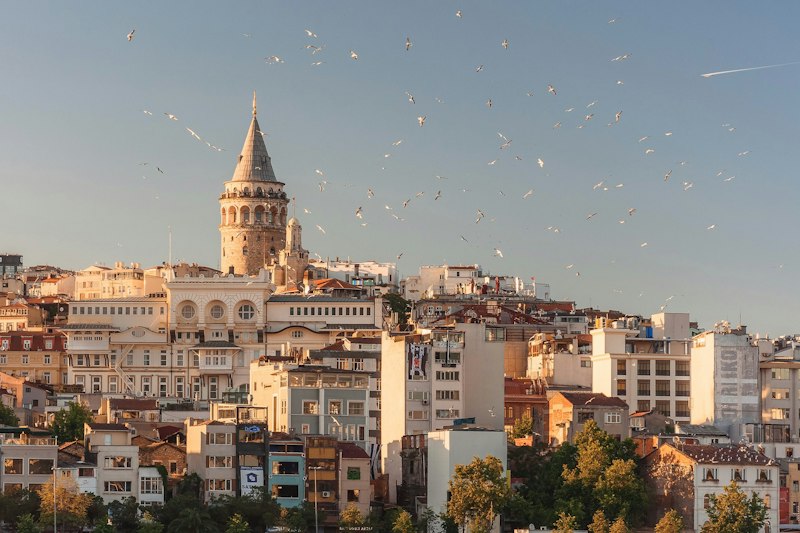
Turkish place names weave together geography, history, and poetry into combinations that delight linguists and travelers alike. From cities to villages, from streets to neighborhoods, Turkish place names reflect the country's rich tapestry of influences spanning continents and millennia. Understanding these names transforms the landscape into a storybook.
Istanbul, the ancient capital spanning two continents, takes its name from the Greek "eis ten polin" meaning "to the city." This pragmatic phrase replaced the original name Constantinople when Mehmed the Conqueror took the city in 1453. The name captures the city's eternal status as the destination that matters.
Ankara, the modern capital, was previously known as Angora in European texts, from the ancient city of Ankyra. The name derives from anchor, reflecting the city's founding by Hittites who shaped the original city around anchors used by traders. The Angora rabbit and goat carry the historical name internationally.
Ephesus, in Turkish Efes, preserves one of the ancient world's greatest cities. The name may derive from the word for "desired" or "known," though its original meaning remains debated. The magnificent ruins near modern Selcuk attract millions of visitors who walk streets named after ancient gods and mythological figures.
Cappadocia, Kapadokya in Turkish, creates a landscape of fairy chimneys and underground cities. The name's origin is debated, possibly deriving from the Persian for "Land of the Beautiful Horses." The region's cave dwellings and hot air balloons have made its Turkish name internationally recognizable.
Pamukkale, meaning "Cotton Castle," describes white travertine terraces formed by mineral-rich thermal waters. This name combines a natural material with architectural imagery to create a memorable description. The nearby ruins of Hierapolis add ancient history to this natural wonder.
Bodrum, the ancient Halicarnassus, takes its modern name from the Turkish word for "castle," referring to the impressive Castle of St Peter built by Crusaders. The Mausoleum at Halicarnassus, one of the Seven Wonders of the Ancient World, once stood in this now-fashionable resort town.
Marmaris combines sea and forest in its name. The city sits where pine-covered hills meet the Aegean Sea, creating the "Sea of Marmara" and the resort town of the same name. These geographic descriptions reveal how Turks named places by combining natural features.
Trabzon, the ancient Trebizond, preserves Byzantine imperial heritage in its name. The name derives from Greek "trapezus" meaning "table," describing the city's setting on a plateau above the Black Sea. Medieval Trebizond was a center of commerce connecting Europe and Asia for centuries.