Living in Istanbul: A Complete City Guide
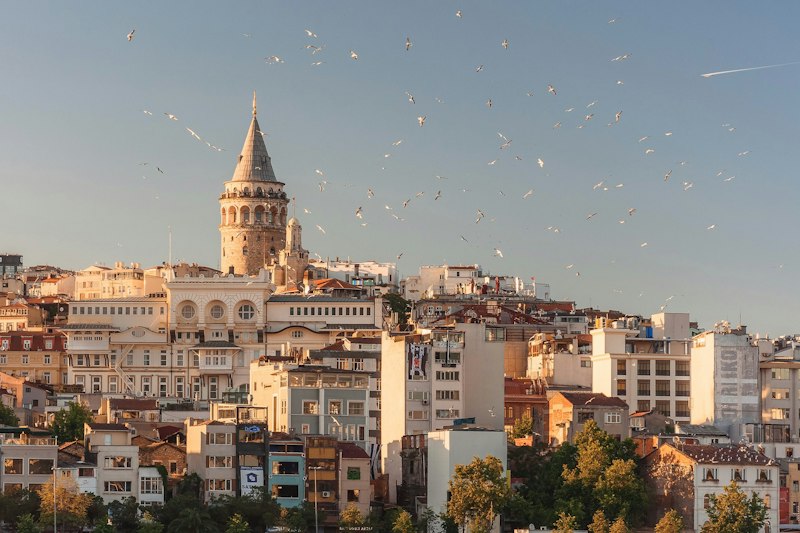
Istanbul, the only city in the world spanning two continents, offers a living experience unlike anywhere else on Earth. Living in Istanbul means navigating daily life between Europe and Asia, experiencing Byzantine history alongside modern commerce, and enjoying a cultural richness that few cities can match. Understanding Istanbul helps newcomers find their place in this magnificent metropolis.
The European side of Istanbul contains the historic center, most tourist attractions, and the main business districts. Sultanahmet houses the Hagia Sophia, Blue Mosque, and Topkapi Palace, creating a neighborhood where ancient and modern Turkey meet. Beyoglu along the Bosphorus provides nightlife, arts, and the famous Istiklal Street shopping.
The Asian side maintains a more traditional Turkish character while offering excellent residential areas. Kadikoy on the Asian shore has become trendy, with excellent restaurants, cafes, and cultural venues. Moda provides waterfront living with parks and seaside promenades. Uskudar and Maltepe offer more affordable residential options further from the center.
Istanbul's traffic is legendary, making neighborhood choice crucial for quality of life. The Bosphorus bridges connect the two sides but often face severe congestion during rush hours. Living on the same side as your workplace significantly reduces commute times. The metro and ferry systems provide alternatives, with ferry commutes offering scenic daily transportation.
Real estate in Istanbul varies dramatically by neighborhood. Historic apartments in old Greek or Armenian buildings share streets with luxury developments. Rent prices in central areas like Besiktas, Nisantasi, and Kadikoy rival major European cities, while peripheral areas offer more affordable options. The city's size means commute convenience often outweighs apartment quality in location decisions.
Cultural life in Istanbul is exceptional, with world-class museums, theaters, concert halls, and galleries. The Istanbul Modern Art Museum, Sakip Sabanci Museum, and numerous galleries showcase Turkish and international art. The Istanbul Film Festival, Biennial, and numerous music festivals provide year-round cultural programming.
Food markets define neighborhood character throughout Istanbul. The Spice Bazaar and Grand Bazaar are famous tourist destinations, but local markets in every neighborhood provide fresh produce and regional specialties. Turkish cuisine shines in neighborhood lokantasi restaurants where home-cooked dishes are served buffet style.
Street life in Istanbul reflects the city's warmth and hospitality. Tea gardens, called cay bahcesi, appear on every block. Vendors selling simit sesame bread, roasted chestnuts, and seasonal fruits serve passersby throughout the day. This street culture makes Istanbul feel alive from early morning until late evening.
Understanding Istanbul requires recognizing its position as Turkey's economic and cultural center. The city attracts people from across Turkey and beyond, creating an extraordinarily diverse population. This diversity means Istanbulers speak not one unified dialect or culture but many, unified by their shared love of their extraordinary city.